


GIZ BMUB Sulu-Sulawesi Seascape Project: Project Implementation Review
Pic. @GIZNoora
GIZ BMUB - The German Federal Ministry for the Environment, Nature Conservation, Building and Nuclear Safety, the Sulu-Sulawesi Seascape Project is supporting mainly 3 CTI countries: Indonesia, Malaysia, and the Philippines. The apex of the Coral Triangle known as the world’s center of marine biodiversity with the highest numbers of coral, crustacean and marine plant species and about 3,000 species of fish; also, home to the largest nesting population of green turtles in Southeast Asia. The project is commissioned to support the countries to implement and coordinate their activities under CTI-CFF RPOA.
For the past years, the project and the partner countries have been focusing on 2 focal areas: to support the effective management of marine protected areas (MPAs) and establish a regional marine protected area network (MPAN) for the conservation of sea turtles linking nationally declared MPAs; and to promote an Ecosystem Approach to Fisheries Management (EAFM) in selected marine managed areas.
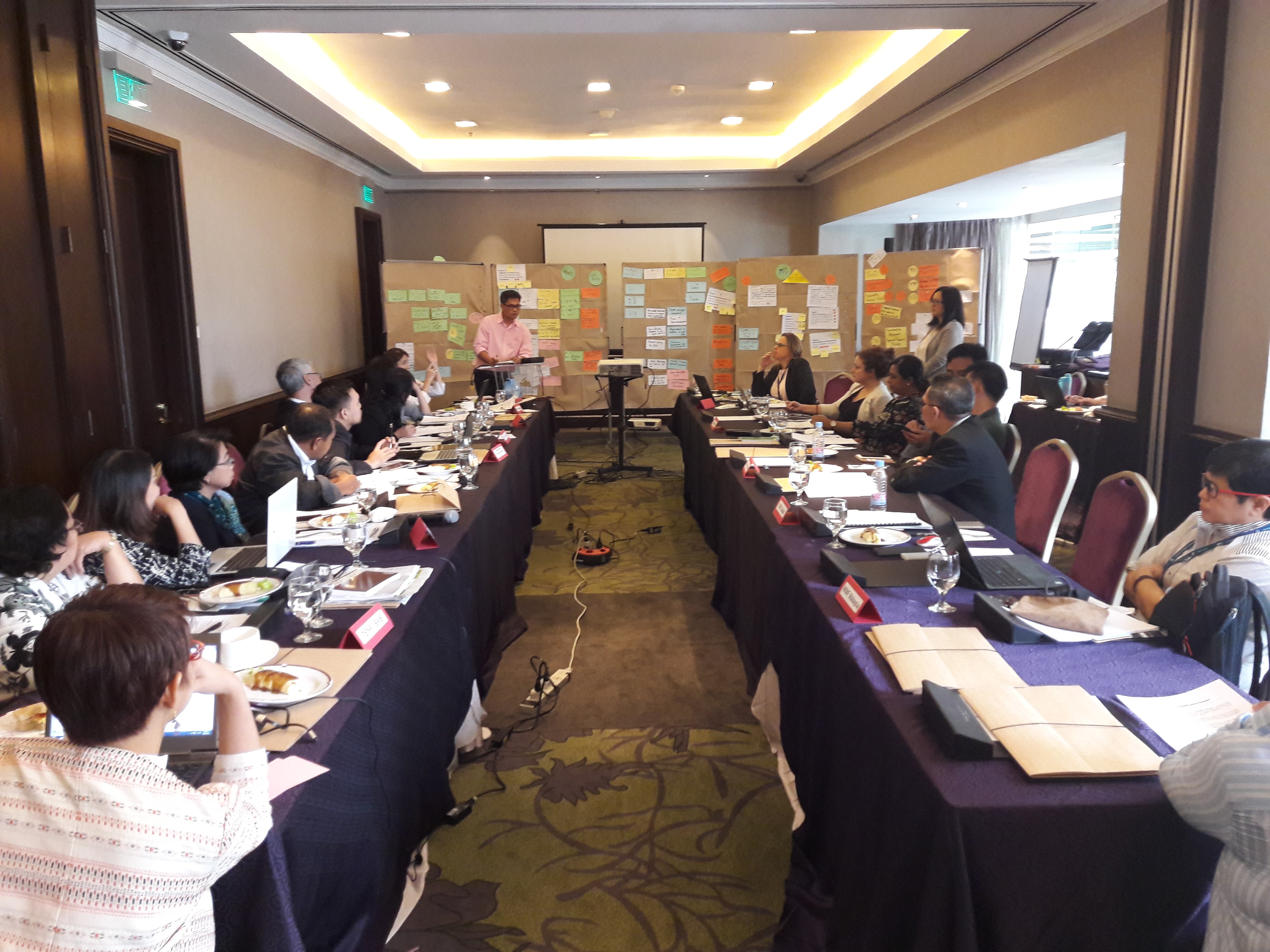
As scheduled, on 25-26 October 2017 in Manila, Philippines, the Sulu-Sulawesi Seascape Project held the 2nd Project Implementation Review (PIR) Meeting. The 2nd PIR was a follow-up on the decisions made during the 1st PIR and Project Steering Committee (PSC) meetings held at Port Moresby, Papua New Guinea in October 2016. The objectives of the 2nd PIR were to assess project achievements, identify issues and challenges in implementation, and envisage activities beyond the project.
Participants were project government agency partners from Indonesia (MMAF), Malaysia (DOFS, Sabah Parks and Sabah Wildlife Department (SWD)) and the Philippines (BFAR, National Fisheries Research and Development Institute (NFRDI) and the Biodiversity Management Bureau (BMB) of DENR), CTI-CFF Regional Secretariat, CI, GIZ, as well as representatives from World Wildlife Fund-Malaysia and The Nature Conservancy-Indonesia. Participants shared project progress in their respective institutions.
The Project Secretariat revisited the decisions and agreements of the 1st PIR and PSC meetings in 2016 and provided an overview of regional research and learning visits. The CTI-CFF Regional Secretariat shared current developments relevant to the project particularly on organizational structure and progress of the Technical Working Groups (TWGs). GIZ and implementing partners reported their progress on project outcome, outputs, and indicators and in relation to the goals of the CTI-CFF Regional Plan of Action (RPOA). The partners also identified challenges and lessons learned in implementation.
Some recommendations resulted from the review meeting were: to facilitate the establishment of the regional or tri-national MPA network; to follow up on the Capacity Needs Assessment result and to share, present, discuss, and have it endorsed in by the SOM; and to share recommendations for improving the coordination mechanisms for priority seascapes to the Seascapes Working Group (SWG) Chair, to be further circulate to member countries for Pre-SOM discussion and for endorsement to the SOM.
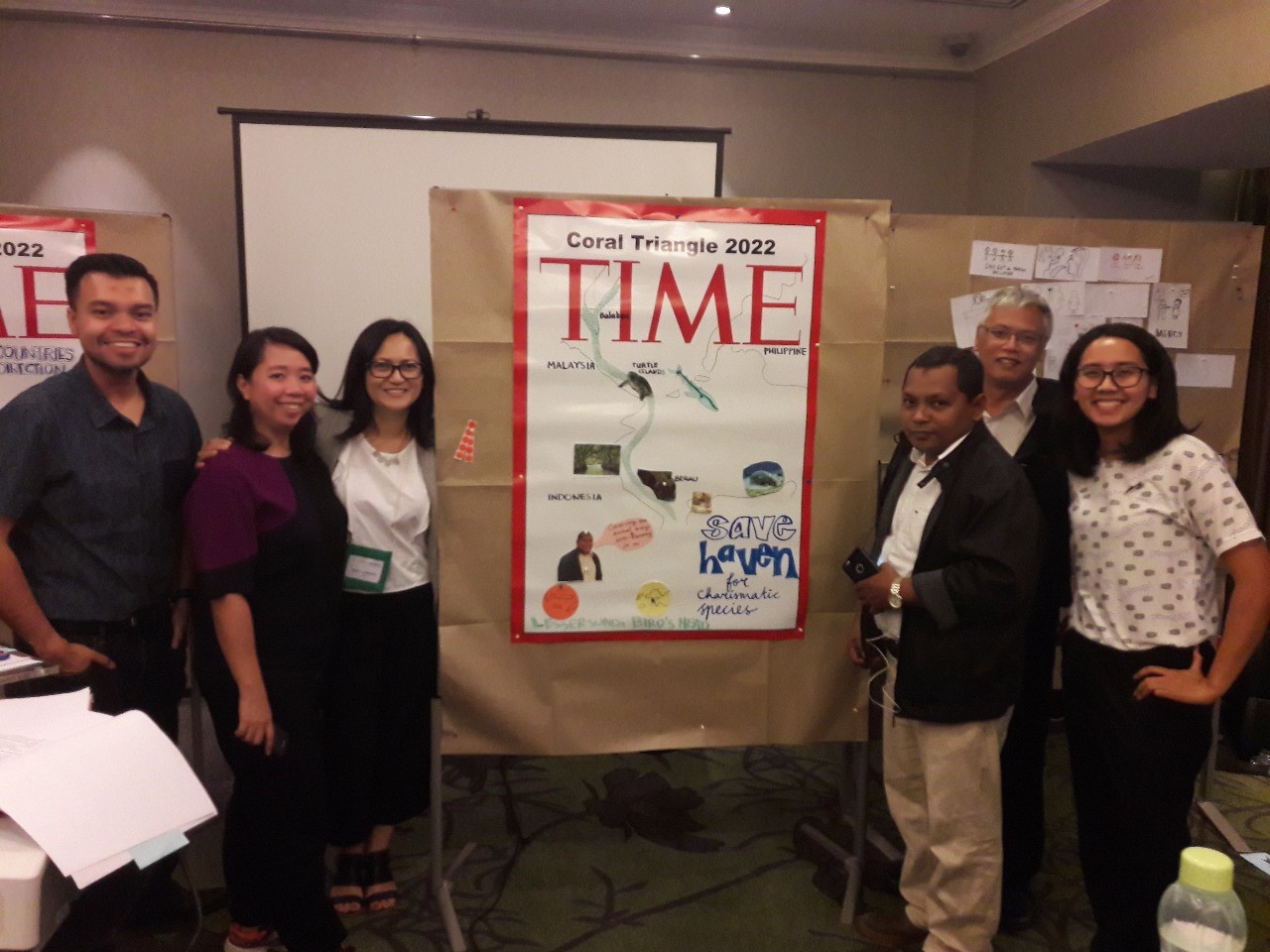
Facilitated by Franca Sprong, the GIZ BMUB Sulu-Sulawesi Seascape Project Director, the meeting ended with partners envisioning strengthened transboundary cooperation within the region towards the protection of marine turtle habitats and fisheries management.
Pic. @GIZNoora
Written by Mareska Mantik, GIZ
AddToAny



